Breast Cancer Awareness Month 2026: Early Detection, Warning Signs, Prevention, and the Power of Support
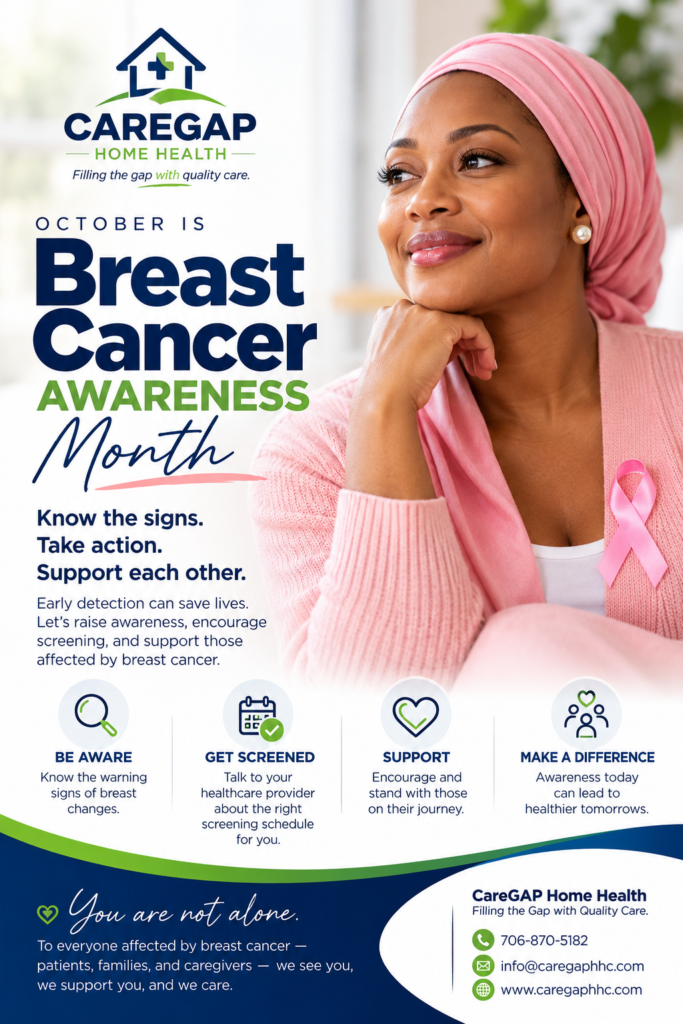
October is Breast Cancer Awareness Month. At CareGAP Home Health, we believe awareness begins with education, continues with action, and grows stronger when families and communities support one another.
Every October, communities across the United States come together to recognize Breast Cancer Awareness Month. Pink ribbons appear on clothing, buildings, social media, and community events. But behind every pink ribbon is something much more important: a reminder that breast cancer affects real people, real families, and real lives.
For some, October is a time to celebrate survival. For others, it is a time to remember loved ones. And for many families, it is an opportunity to learn more about breast health, recognize possible warning signs, and take important steps toward early detection.
At CareGAP Home Health, we understand that health challenges can affect more than one person. When someone faces a serious diagnosis, spouses, children, parents, and caregivers often become part of that journey.
This October, we want to encourage our community to move beyond awareness and toward meaningful action.
What Is Breast Cancer?
Breast cancer develops when abnormal cells in the breast begin growing uncontrollably. These cells can form a tumor and, in some cases, spread to nearby lymph nodes or other parts of the body.
Although breast cancer occurs primarily in women, men can develop it too.
There are several types of breast cancer. Some grow slowly, while others may be more aggressive. Treatment and outcomes depend on factors such as the type of cancer, its stage, and the person’s overall health.
The important thing to understand is that breast cancer is not always accompanied by pain or noticeable symptoms, particularly in its early stages.
This is one reason regular screening and awareness of breast changes are so important.
Why Breast Cancer Awareness Matters
Breast cancer is one of the most common cancers affecting women in the United States.
For many people, a breast cancer diagnosis comes unexpectedly. Someone may feel perfectly healthy, have no pain, and notice nothing unusual before an abnormality is discovered during a routine mammogram.
Awareness helps people understand their risks, recognize changes that require medical attention, and make informed decisions about screening.
Breast Cancer Awareness Month also creates opportunities to discuss the emotional and practical challenges that patients and their families may experience.
Awareness matters because it can encourage someone to schedule an overdue mammogram, speak with a healthcare professional about a breast change, or support a loved one who is navigating treatment.
7 Warning Signs of Breast Cancer You Should Never Ignore
Breast cancer does not always cause noticeable symptoms. However, certain changes should prompt an evaluation by a healthcare professional.
1. A New Lump in the Breast or Underarm
A new lump or thickened area in the breast or armpit can be a warning sign.
Not every lump is cancerous. Many breast lumps are caused by noncancerous conditions, including cysts. However, a new lump should never be ignored or diagnosed at home.
2. Changes in Breast Size or Shape
Breasts naturally vary in size and shape, and changes can occur with age, hormonal fluctuations, pregnancy, or weight changes.
However, a new, unexplained change in one breast should be evaluated.
3. Skin Dimpling or Puckering
Changes in the appearance of breast skin, including dimpling, puckering, or thickening, may indicate an underlying problem.
Some people describe this as skin that resembles the surface of an orange.
4. Changes in the Nipple
Pay attention to new nipple changes, particularly a nipple that becomes pulled inward when it was not previously inverted.
Persistent crusting, scaling, or other unusual changes around the nipple also deserve medical attention.
5. Unusual Nipple Discharge
Nipple discharge can occur for several reasons, many of which are not cancer-related.
However, spontaneous discharge, especially if it is bloody or comes from one breast, should be discussed promptly with a healthcare professional.
6. Persistent Breast or Nipple Pain
Breast pain is common and is usually not caused by cancer.
Nevertheless, persistent or unusual pain, particularly when accompanied by other breast changes, should be assessed.
7. Redness, Swelling, or Changes in Skin Texture
Unexplained redness, swelling, warmth, or thickening of the breast can sometimes be associated with serious conditions, including inflammatory breast cancer.
These symptoms may also be caused by infections or other conditions.
The takeaway: Not every breast change means cancer, but every new or concerning change deserves appropriate medical evaluation. Do not wait for your next routine mammogram if you notice a symptom.
Early Detection: Why Mammograms Matter
One of the most important messages of Breast Cancer Awareness Month is the value of early detection.
A mammogram is an X-ray examination of the breast that can help detect abnormalities before they become large enough to feel.
Finding breast cancer at an earlier stage can increase treatment options and improve the chances of successful treatment.
However, mammograms are not perfect. They can sometimes miss cancers or identify abnormalities that require further testing but turn out not to be cancer.
That is why screening decisions should consider a person’s age, medical history, risk factors, and preferences.
When Should You Start Getting Mammograms?
Screening recommendations differ slightly among major medical organizations.
The U.S. Preventive Services Task Force recommends mammograms every two years for women ages 40 through 74 who fall within the population covered by its average-risk screening guidance.
The American Cancer Society recommends that women at average risk:
- Ages 40–44: Have the option to begin annual mammograms.
- Ages 45–54: Receive mammograms every year.
- Ages 55 and older: Continue annual screening or switch to every two years, while in good health and with an expected life span of at least 10 more years.
People at higher risk may need earlier screening or additional imaging, such as breast MRI.
There is no single screening schedule that is right for everyone. Discuss your individual risk and screening plan with your healthcare professional.
And remember: A screening mammogram is intended for people without symptoms. If you notice a concerning breast change, seek medical evaluation rather than waiting for routine screening.
Who Is at Risk of Developing Breast Cancer?
Breast cancer can affect people from many different backgrounds. Some individuals have recognizable risk factors, while others develop breast cancer without a known family history.
Certain factors can increase risk.
Age
Breast cancer risk generally increases with age. Many breast cancers are diagnosed in women over 50, although younger women can also develop the disease.
Family History
Having a close relative with breast cancer can increase your risk.
It is important to consider family history on both your mother’s and father’s sides.
Inherited Genetic Changes
Inherited changes in genes such as BRCA1 and BRCA2 can significantly increase breast cancer risk.
People with a strong family history of breast or ovarian cancer may benefit from discussing genetic counseling with a healthcare professional.
Personal Breast Health History
A previous breast cancer diagnosis or certain high-risk breast conditions may increase the likelihood of developing breast cancer in the future.
Lifestyle and Hormonal Factors
Alcohol consumption, physical inactivity, excess body weight after menopause, and certain hormone therapies can influence breast cancer risk.
Having one or more risk factors does not mean someone will develop breast cancer.
Similarly, having no known risk factors does not guarantee protection.
Can Breast Cancer Be Prevented?
There is no guaranteed way to prevent breast cancer.
However, some lifestyle choices may help reduce risk and improve overall health.
Stay physically active. Regular movement supports cardiovascular health, weight management, and general well-being.
Maintain a healthy weight. Weight management, particularly after menopause, may help lower breast cancer risk.
Limit or avoid alcohol. Alcohol increases breast cancer risk, and drinking less can reduce that risk.
Discuss hormone medications with your healthcare professional. Some hormone treatments can affect breast cancer risk. Never stop prescribed medication without medical guidance.
Know your family history. Understanding patterns of breast, ovarian, and related cancers in your family can help inform screening decisions.
Breastfeed if possible and desired. Breastfeeding is associated with a lower breast cancer risk, although it is not possible or appropriate for everyone.
These steps cannot eliminate risk, but they can form part of a healthier lifestyle.
Breast Self-Awareness: Know What Is Normal for You
Being familiar with how your breasts normally look and feel can help you recognize changes.
Breast self-awareness does not mean you must follow a complicated examination routine.
Instead, pay attention to what is normal for your body and report any changes that concern you.
You may notice changes while showering, dressing, or looking in the mirror.
If something feels different, speak with a healthcare professional.
Breast self-awareness does not replace recommended mammograms or professional medical evaluation.
Breast Cancer and Women of Color: Why Conversations About Health Equity Matter
Breast cancer does not affect every community in exactly the same way.
In the United States, Black women experience a disproportionately high rate of breast cancer mortality compared with White women.
The reasons are complex and include differences in tumor characteristics, access to timely diagnosis, treatment availability, and broader healthcare inequities.
Some women may face additional barriers, including financial concerns, transportation difficulties, limited access to specialists, and competing family or work responsibilities.
Addressing these disparities requires more than awareness campaigns.
It requires equitable access to screening, timely follow-up after abnormal results, effective treatment, and ongoing support.
Every woman deserves to have her health concerns taken seriously and to receive appropriate care.
Supporting a Loved One After a Breast Cancer Diagnosis
A breast cancer diagnosis can change a family’s daily routine almost overnight.
Appointments, treatment decisions, transportation, household responsibilities, and emotional concerns may become part of everyday life.
Family members often want to help but may not know where to begin.
The most meaningful support is not always dramatic. Sometimes, it is found in simple, consistent actions.
Listen Without Trying to Fix Everything
Someone facing breast cancer may experience fear, anger, sadness, uncertainty, or exhaustion.
They may not always want advice or reassurance.
Sometimes, listening without judgment is the most valuable support you can offer.
Offer Practical Assistance
Instead of saying, “Let me know if you need anything,” consider offering specific help.
You might prepare a meal, assist with groceries, help with household tasks, or arrange transportation to an appointment.
Specific offers can be easier to accept than open-ended promises.
Respect Their Independence
A cancer diagnosis does not remove a person’s ability to make decisions.
Ask what kind of assistance they want rather than assuming they need help with everything.
Maintaining independence and dignity can be especially important during treatment and recovery.
Recognize That Caregivers Need Support Too
Spouses, adult children, and other family caregivers may become overwhelmed while trying to balance work, household responsibilities, and caregiving.
It is important for caregivers to acknowledge their own needs, ask for assistance, and take reasonable breaks.
Supporting the caregiver can also help support the person receiving care.
How Breast Cancer Treatment Can Affect Daily Life
Breast cancer treatment varies from person to person.
Depending on the diagnosis, treatment may involve surgery, radiation therapy, chemotherapy, hormone therapy, targeted therapy, immunotherapy, or a combination of approaches.
Some treatments can cause side effects such as fatigue, nausea, discomfort, changes in appetite, or temporary limitations in physical activity.
Recovery following breast surgery can also affect everyday activities.
During these periods, some people may need additional assistance with tasks such as dressing, bathing, meal preparation, or light household responsibilities.
The level of support required depends on the individual’s condition, treatment plan, and instructions from their medical team.
Families should follow guidance from the treating clinicians regarding activity restrictions, wound care, medications, and warning signs that require medical attention.
The Role of Home Care During Recovery and Everyday Life
When a person is managing a serious illness, the home environment can become an important part of their support system.
Not every person receiving breast cancer treatment needs home care. However, some individuals and families may benefit from additional assistance during periods of fatigue, reduced mobility, or recovery.
Depending on the person’s needs and the services available, home care support may include:
- Assistance with personal care activities such as bathing, dressing, and grooming.
- Help with meal preparation and routine household tasks.
- Companionship and emotional support.
- Assistance with mobility and everyday safety.
- Respite for family caregivers who need time to rest or manage other responsibilities.
- Support with maintaining a comfortable and organized home environment.
Nonmedical caregivers do not replace oncologists, surgeons, nurses, or other members of the cancer treatment team.
Any skilled medical care must be provided by appropriately licensed professionals within their authorized scope and according to applicable care plans.
The goal of appropriate home support is to help individuals maintain dignity, comfort, and as much independence as possible.
Breast Cancer Awareness Is Also About Emotional Well-Being
A breast cancer diagnosis can affect emotional health as well as physical health.
People may experience anxiety before medical appointments, uncertainty about treatment outcomes, changes in body image, or difficulty returning to normal routines.
Some may feel pressure to remain positive even when they are struggling.
There is no single correct emotional response to cancer.
It is reasonable to feel hopeful one day and overwhelmed the next.
Family members can help by respecting those emotions and encouraging access to appropriate support, including counseling, support groups, and other resources when needed.
Emotional well-being should be part of the broader conversation about cancer care.
Common Breast Cancer Myths and Facts
Myth: If breast cancer doesn’t run in my family, I cannot get it.
Fact: Many people diagnosed with breast cancer do not have a known family history of the disease.
Myth: Breast cancer always causes a painful lump.
Fact: Breast cancer may cause a painless lump or no noticeable symptoms at all.
Myth: Only older women get breast cancer.
Fact: Risk increases with age, but younger women can also develop breast cancer.
Myth: Men cannot develop breast cancer.
Fact: Men can develop breast cancer, although it is uncommon.
Myth: A normal mammogram means I can ignore new breast changes.
Fact: Mammograms do not detect every cancer. New symptoms should be evaluated even after a recent normal mammogram.
Myth: Finding a lump means I definitely have cancer.
Fact: Many breast lumps are benign. However, medical assessment is necessary to determine the cause.
Five Meaningful Ways to Observe Breast Cancer Awareness Month
Breast Cancer Awareness Month is an opportunity to turn knowledge into action.
1. Review your screening schedule. If you are due for a mammogram, make a plan to schedule one.
2. Talk about family health history. Conversations with relatives can help identify patterns that may be relevant to your personal risk.
3. Encourage someone you love. A supportive reminder or offer of transportation may help someone follow through with a screening appointment.
4. Share reliable health information. Use trusted sources such as the Centers for Disease Control and Prevention, National Cancer Institute, and American Cancer Society.
5. Support patients and survivors beyond October. Breast cancer awareness should not end when the month is over. Meaningful support continues throughout the year.
Frequently Asked Questions About Breast Cancer
Can breast cancer be detected before symptoms appear?
Yes. Screening mammograms can identify some breast cancers before a person notices a lump or other symptoms.
Does every breast lump mean cancer?
No. Many breast lumps are noncancerous. However, a healthcare professional should evaluate any new or unusual lump.
Is breast cancer treatable?
Yes. Many breast cancers are treatable, and outcomes depend on factors including the cancer’s type, stage, and response to treatment. Early detection can improve treatment options.
Can younger women develop breast cancer?
Yes. Although breast cancer is more common as people age, it can occur in younger adults.
Should someone with a family history of breast cancer start screening earlier?
Possibly. Individuals with elevated risk may need a different screening schedule or additional tests. A healthcare professional can help determine the appropriate approach.
Can home care replace medical cancer treatment?
No. Home care can provide practical assistance and personal support when appropriate, but cancer diagnosis and treatment require qualified medical professionals.
A Message From CareGAP Home Health: You Are More Than a Diagnosis
At CareGAP Home Health, we believe quality care begins with compassion, dignity, and understanding.
Breast Cancer Awareness Month reminds us that behind every diagnosis is a person with a family, a story, responsibilities, hopes, and dreams.
It reminds us that patients deserve to be heard, families deserve support, and no one should feel overlooked during a difficult season.
While medical professionals focus on diagnosing and treating breast cancer, families and caregivers also play meaningful roles in helping loved ones navigate everyday life.
Whether that means preparing a meal, offering companionship, helping with daily routines, or simply being present, small acts of support can make a difference.
This October, we encourage our community to learn the warning signs, discuss screening with healthcare professionals, and extend compassion to those affected by breast cancer.
Because breast cancer awareness is not just about wearing pink. It is about knowledge, timely action, and standing beside one another.
CareGAP Home Health — Filling the Gap With Quality Care
If your family needs information about our available home care services, our team is here to discuss how we may be able to help with everyday care and support.
Phone: (706) 870-5182
Email: info@caregaphhc.com
Website: www.caregaphhc.com
Serving families across our Georgia service areas.
This Breast Cancer Awareness Month, let’s turn awareness into action, compassion into support, and knowledge into better health decisions.
Medical disclaimer: This article is provided for general health education and does not replace professional medical advice, diagnosis, screening, or treatment. Consult a qualified healthcare professional about breast changes, individual risk, and screening recommendations. CareGAP Home Health does not provide cancer diagnosis or oncology treatment through this article.