Many families in Georgia don’t realize that a parent’s military service — even decades ago — may help pay for care at home. And many surviving spouses never apply at all, because they assume the benefits ended when their husband or wife passed away.
As a pharmacist and the owner of CareGAP Home Health in Braselton, I talk with families every week who are paying for care out of pocket without knowing these options exist. This guide walks through the main ways veterans and surviving spouses in Georgia can get help staying safely at home.
1. VA Pension with Aid & Attendance

Aid & Attendance is an add-on to the VA’s needs-based pension. It’s designed for wartime veterans and surviving spouses who need help with everyday activities like bathing, dressing, eating, using the bathroom, or staying safe at home.
Who may qualify
- Wartime service. Generally at least 90 days of active duty, with at least one day during a recognized wartime period (World War II, Korea, Vietnam era, the Gulf War, or post-9/11). Veterans who entered active duty after September 7, 1980 generally need 24 months of service. Combat or overseas service is not required.
- Discharge. Other than dishonorable.
- Need for care. A doctor documents the need for help with daily activities, being bedbound, being in a nursing home because of incapacity, or significant vision loss.
- Income and net worth. The pension is needs-based. For December 1, 2025 through November 30, 2026, the VA’s net worth limit is $163,699. Your home and car usually don’t count.
How much it can pay
The VA sets a maximum annual pension rate. For a veteran with no dependents who qualifies for Aid & Attendance, the maximum is $29,093 a year; with one dependent, it’s $34,488 (rates effective December 1, 2025). Surviving spouses have their own, lower maximum. Your actual benefit is that maximum minus your “countable” income.
The part most families miss: Ongoing, unreimbursed medical expenses — including paid in-home care — can be subtracted from income. That means a veteran or widow whose income looks “too high” on paper may still qualify once the cost of care is counted.
Two cautions
- Don’t give money away before applying. The VA reviews asset transfers made in the 3 years before you apply, and gifting can trigger a penalty period.
- Never pay someone to file. Accredited Veterans Service Officers help for free. Be wary of anyone charging to “qualify” your parent.
2. Help Through VA Health Care
If your parent is enrolled in VA health care, ask their VA primary care team about home and community-based services. Depending on need and local availability, these can include homemaker and home health aide services, respite care to give family caregivers a break, adult day health care, and Veteran-Directed Care, which lets eligible veterans hire their own caregivers with a flexible budget.
3. Surviving Spouses: Don’t Skip This
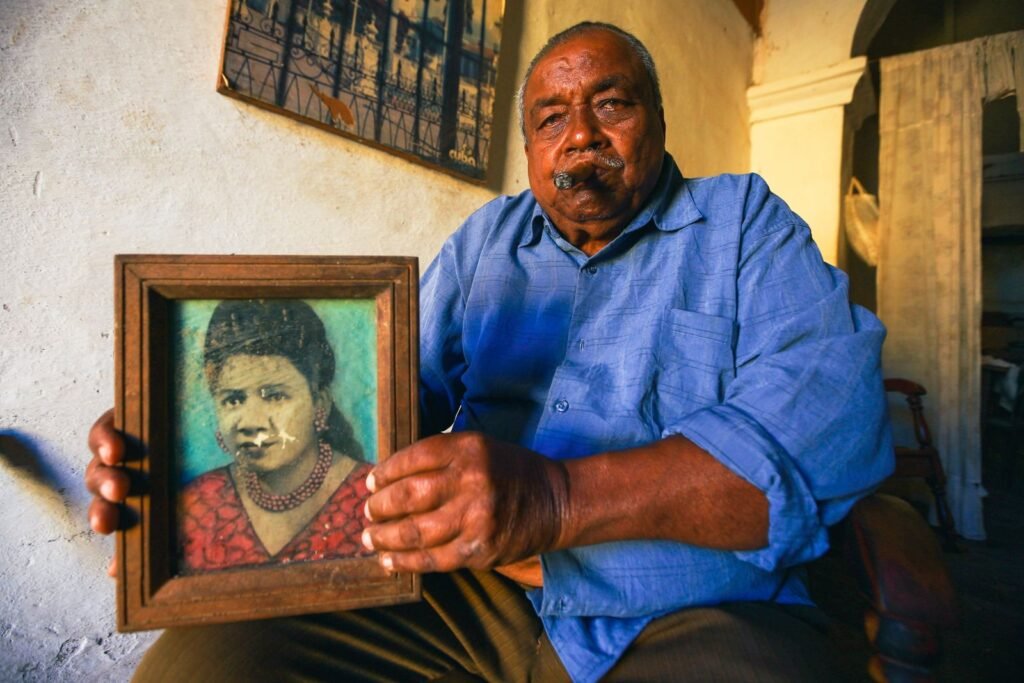
If your mother or father is the surviving spouse of a wartime veteran, they may be eligible for the Survivors Pension — and for Aid & Attendance on top of it if they need help at home. Surviving spouses are one of the most under-claimed groups we see. If you’re not sure about service dates, start by locating the veteran’s DD-214 discharge papers.
4. Where to Get Free Help in Georgia
- Georgia Department of Veterans Service (GDVS). Field offices across the state help veterans and families file VA claims at no cost.
- Accredited Veterans Service Organizations. Groups such as the American Legion, VFW, and DAV have accredited service officers who help with claims for free.
- VA.gov and 1-800-698-2411. You can apply for pension benefits online or by mail, and find a local accredited representative.
What to gather before you call
- DD-214 (discharge papers) and, for a surviving spouse, marriage and death certificates
- A list of income sources and bank/investment balances
- Monthly medical expenses, including insurance premiums and care costs
- A doctor’s statement describing the help your parent needs (VA Form 21-2680 is the exam form for Aid & Attendance)
Pharmacist Tip: Bring the Medication List, Too

Many veterans see doctors both inside and outside the VA and fill prescriptions at more than one pharmacy — including VA mail-order. That’s a setup for duplicate medications and missed interactions. Keep one up-to-date list of every prescription, over-the-counter medicine, and supplement, and share it with every prescriber and pharmacist.
How CareGAP Home Health Serves Veterans
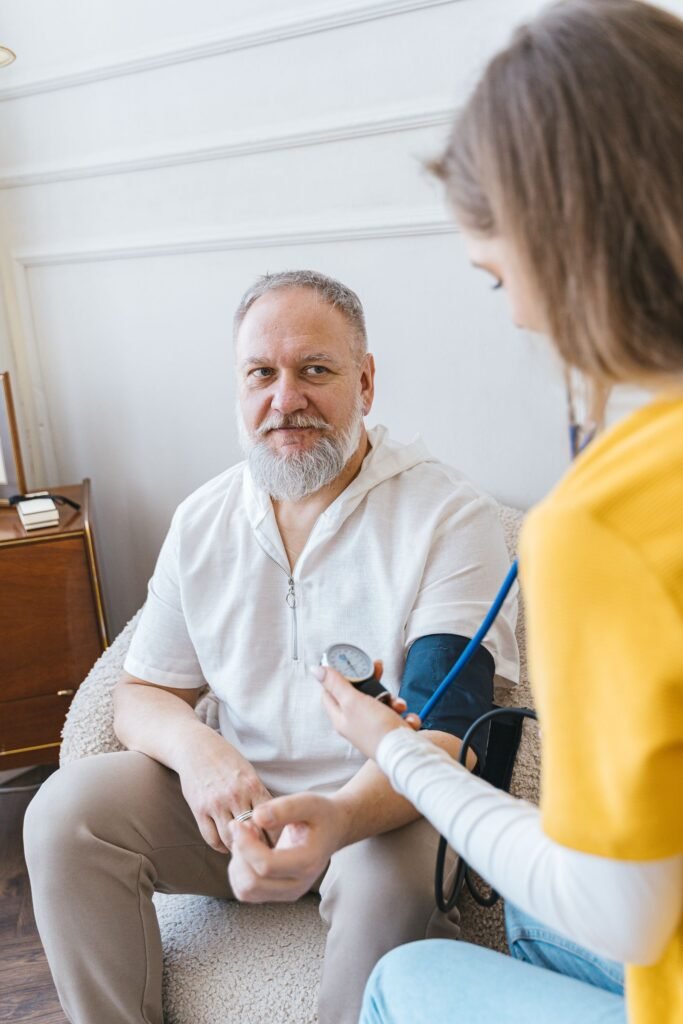
CareGAP Home Health works with American Veterans Care Connection (AVCC) to provide in-home care for veterans and their surviving spouses. Our screened, insured caregivers help with personal care, companionship, light housekeeping, and medication reminders, and every care plan is built with a pharmacist’s eye on medication safety.
We serve families in Barrow, Jackson, Hall, Gwinnett, Forsyth, Walton, Oconee, Fulton, DeKalb, and Cobb counties.
Caring for a veteran or a veteran’s widow? Call us at (706) 870-5182 for a free, no-obligation conversation about care at home.
This article is for general educational purposes and is not legal, financial, or medical advice. VA rules and rates change every year; confirm current eligibility and amounts with the VA or an accredited Veterans Service Officer.