
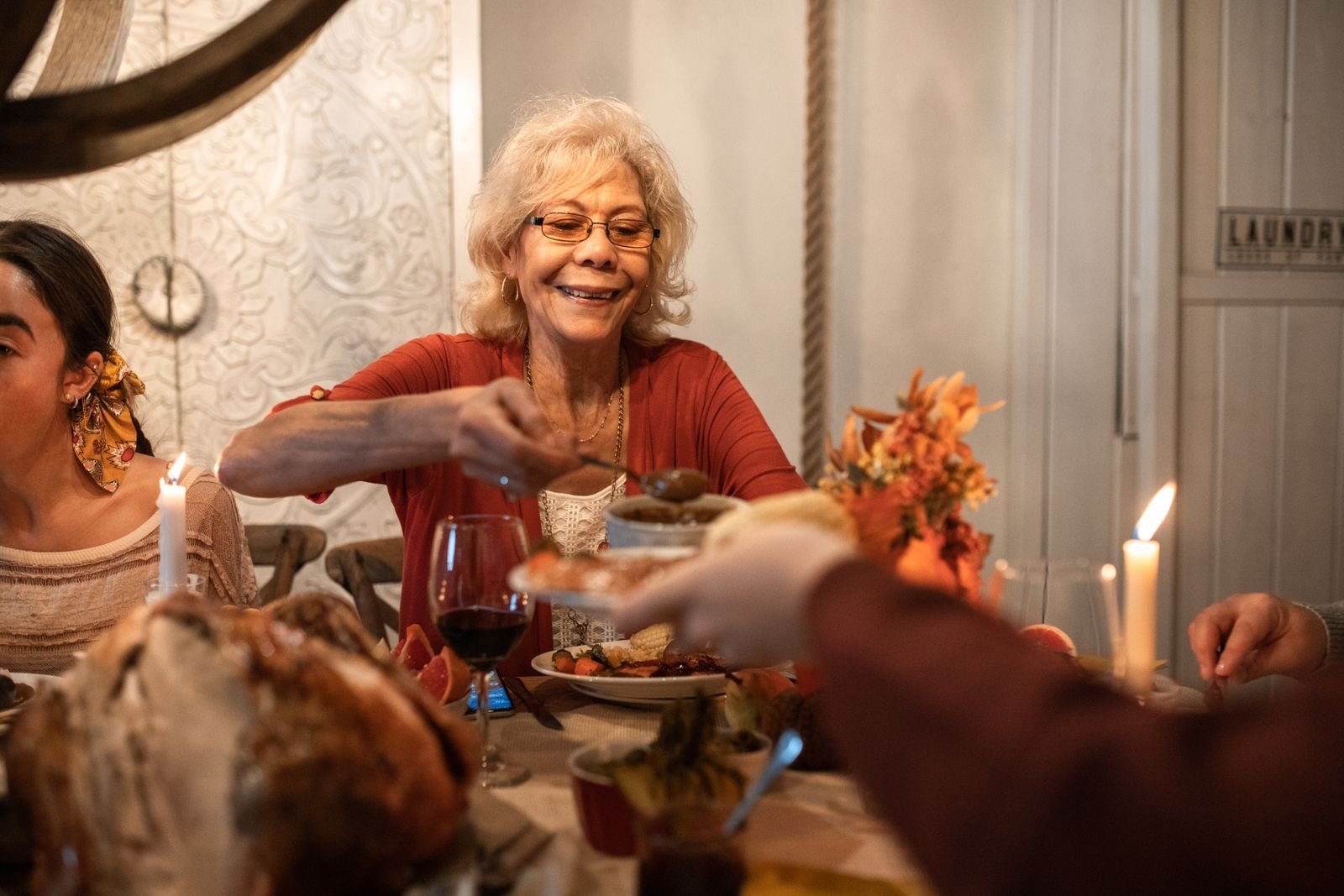
Thanksgiving is built around food — rich dishes, salty sides, a glass of wine, and second helpings of pie. For an older adult taking several medications, that one big meal can quietly interact with the pills in their cabinet.
As a pharmacist, I’m not telling anyone to skip the turkey. The goal is a plan: know which combinations deserve attention, keep medication routines steady, and ask questions before the big day. Here are the ones I watch for most.
1. Blood Thinners and Holiday Greens
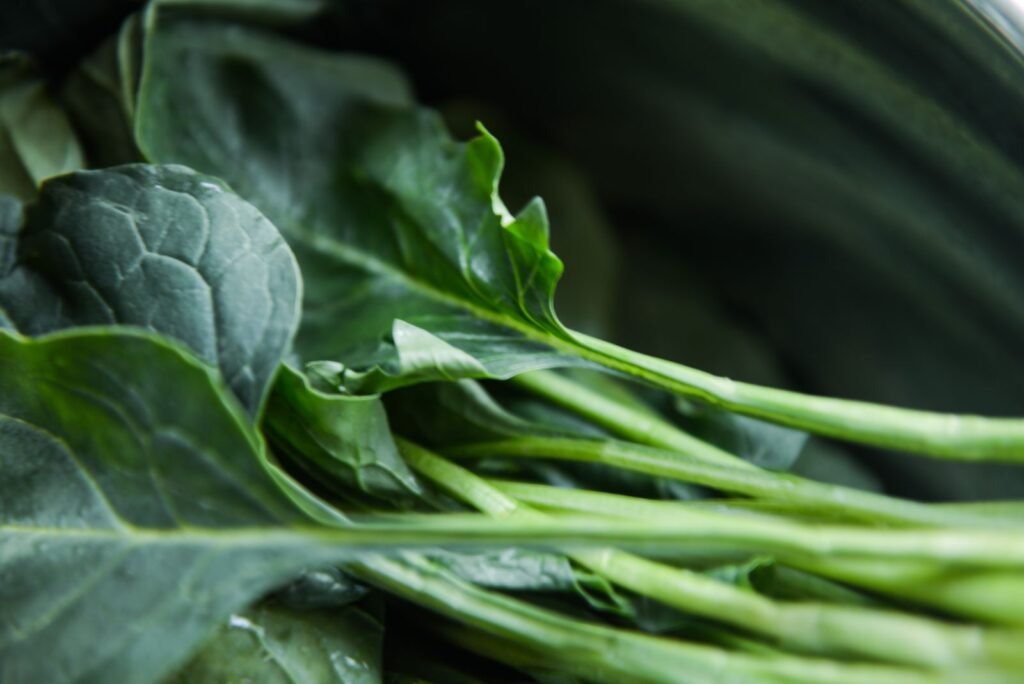
Warfarin (Coumadin, Jantoven) works against vitamin K, and leafy greens — collards, kale, spinach, turnip greens, Brussels sprouts — are full of it. The rule isn’t “never eat greens.” It’s keep them consistent. A sudden pile of collards on Thanksgiving after weeks of eating very few can make warfarin work less well.
Alcohol and cranberry products can also affect warfarin in some people. If your parent takes warfarin, ask their pharmacist or anticoagulation clinic how to handle the holiday meal. Newer blood thinners such as apixaban (Eliquis) and rivaroxaban (Xarelto) aren’t affected by vitamin K the same way, but alcohol and missed doses still matter.
2. Salt and Heart or Blood Pressure Medicines
Ham, gravy, stuffing, casseroles, and rolls can add up to a day’s worth of sodium in one sitting. For someone with heart failure, high blood pressure, or kidney disease, a very salty meal can cause swelling, shortness of breath, or higher blood pressure — sometimes enough to land them in the hospital in the days after.
- Watch portions of the saltiest dishes and offer lower-sodium options.
- Keep diuretics (“water pills”) and blood pressure medicines on schedule, even with travel and guests.
- If your parent weighs themselves daily for heart failure, keep doing it through the holiday. Sudden weight gain is worth a call to their doctor.
3. Alcohol and Common Medications

A holiday glass of wine can interact with many medications older adults take, including sleep aids, anxiety medicines, opioid pain relievers, some antidepressants, muscle relaxants, and diabetes medicines. The combination can cause drowsiness, dizziness, low blood sugar, or falls — especially on unfamiliar stairs or in a crowded house.
Ask the pharmacist before the holiday: “Is it safe for Mom to have a drink with her medications?” The answer may be “one is fine,” “none,” or “not within a few hours of a certain dose.”
4. Diabetes and the Big Meal
- Skipped breakfast to “save room.” Taking insulin or certain diabetes pills and then not eating can cause low blood sugar.
- The late, heavy meal. Large amounts of carbohydrates and desserts can push blood sugar very high later in the day.
- Timing. If the meal is at 2 PM instead of 6 PM, ask the doctor or pharmacist whether medication timing should shift.
Know the signs of low blood sugar: shakiness, sweating, confusion, sudden irritability, or unusual sleepiness. If someone is unresponsive, call 911.
5. Grapefruit and Some Medicines
Grapefruit and grapefruit juice can raise blood levels of some medications, including certain cholesterol medicines (like simvastatin), some blood pressure medicines (like felodipine), and others. If a holiday fruit salad or brunch includes grapefruit, check the medication labels or ask the pharmacist.
6. Missed and Doubled Doses

Honestly, this is the most common Thanksgiving medication problem I see — not a food interaction at all. Travel, houseguests, a different schedule, and a busy kitchen make it easy to forget a dose or take it twice.
- Use a weekly pill organizer and bring it if your parent is traveling.
- Pack medications in a carry-on in their original labeled bottles, with a written list and a few extra days’ supply.
- Assign one family member to “own” medication reminders for the day.
Pharmacist tip: Before the holiday, do a quick “brown bag” review. Put every prescription, over-the-counter medicine, vitamin, and supplement in one bag and ask the pharmacist to look for interactions and duplicates. It takes 15 minutes and can prevent a holiday ER visit.
A Quick Thanksgiving Checklist
- Ask the pharmacist about alcohol, grapefruit, and any meal-timing changes.
- Keep greens and salt in reasonable, consistent portions for those on warfarin or heart medicines.
- Don’t let anyone skip meals while taking insulin or diabetes pills.
- Keep doses on schedule — set phone alarms if needed.
- Clear walkways and add lighting; medications plus a crowded house raise fall risk.
How CareGAP Home Health Can Help
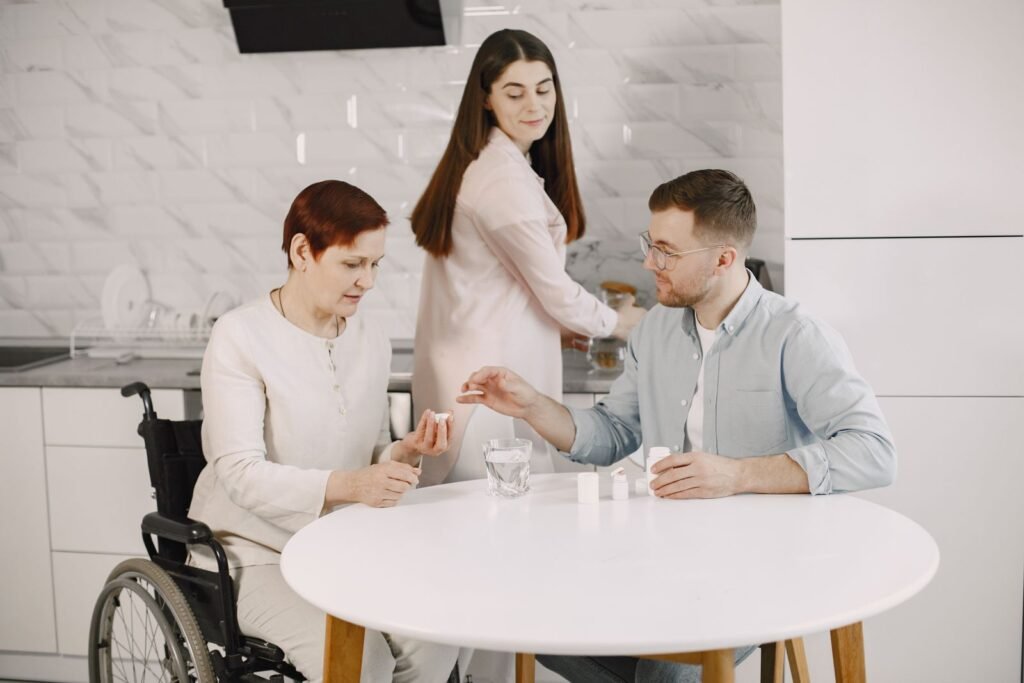
CareGAP Home Health is a pharmacist-owned home care agency in Braselton, serving families across Metro Atlanta and Northeast Georgia. Our caregivers provide medication reminders, meal help, personal care, and companionship, and every care plan is built with a pharmacist’s eye on medication safety — through the holidays and every day after.
Worried about a parent’s medications this holiday season? Call us at (706) 870-5182 for a free, no-obligation conversation.
This article is for general educational purposes and is not medical advice. Never start, stop, or change a medication or diet without talking to your doctor or pharmacist. In an emergency, call 911.