Understanding the Role of a Home Health Nurse in Your Recovery Journey
When most people hear the term “home health nurse,” they often imagine someone who simply checks blood pressure or gives medication.
In reality, home health nurses play a much bigger role.
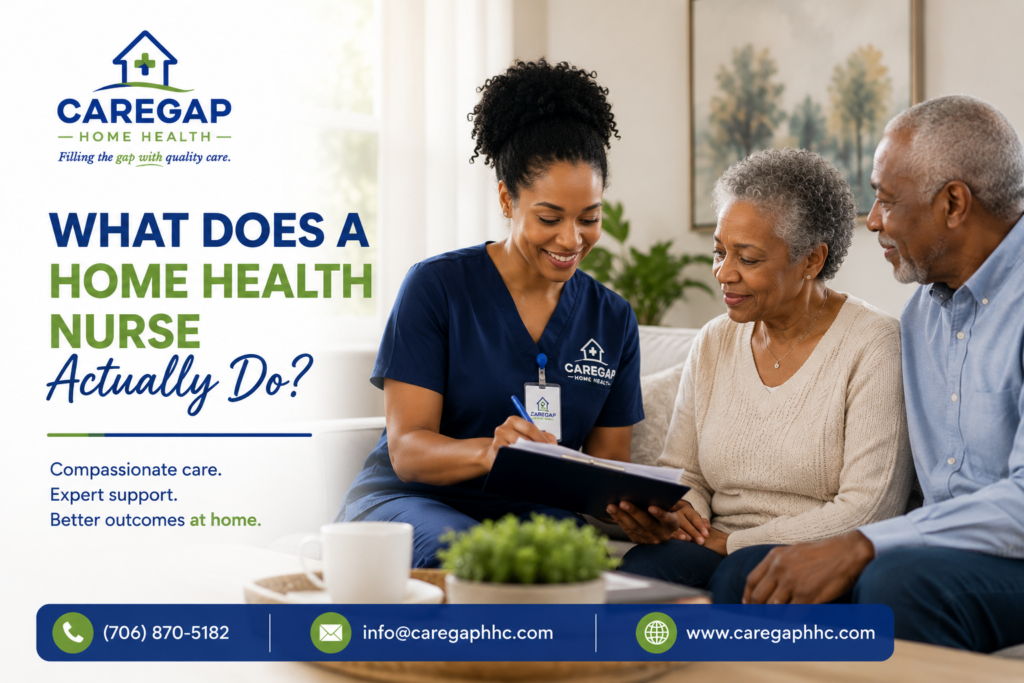
They provide skilled medical care, educate families, monitor recovery, and help patients regain independence—all from the comfort of home.
Whether recovering from surgery, managing a chronic illness, or healing after a hospital stay, a home health nurse can make a significant difference in a patient’s health and quality of life.
What Is a Home Health Nurse?
A home health nurse is a licensed healthcare professional who provides medical care to patients in their homes under a physician’s care plan.
Their goal is to help patients recover safely, manage medical conditions, avoid unnecessary hospital visits, and improve their overall well-being while remaining in a familiar environment.
What Does a Home Health Nurse Do?
Every patient has unique healthcare needs, so services may vary. Common responsibilities include:
Medication Management
Home health nurses help ensure medications are taken correctly by:
- Explaining prescriptions
- Organizing medication schedules
- Monitoring for side effects
- Helping prevent medication errors
Wound Care
For patients recovering from surgery or injuries, nurses provide professional wound care by:
- Cleaning and dressing wounds
- Monitoring healing progress
- Preventing infections
- Reporting concerns to the physician
Health Monitoring
Regular assessments help identify changes before they become emergencies.
A home health nurse may monitor:
- Blood pressure
- Heart rate
- Blood sugar levels
- Oxygen levels
- Weight changes
- Overall health condition
Patient and Family Education
One of the most valuable parts of home health care is education.
Nurses teach patients and caregivers how to:
- Manage medical conditions
- Recognize warning signs
- Safely use medical equipment
- Maintain healthy routines at home
Knowledge gives families confidence in caring for their loved ones.
Coordinating Care
Home health nurses work closely with physicians, therapists, and other healthcare professionals to ensure every patient receives coordinated, personalized care.
They communicate changes in the patient’s condition and help keep everyone involved in the recovery process informed.
Benefits of Home Health Nursing
Receiving skilled nursing care at home offers many advantages, including:
- Comfort in familiar surroundings
- Personalized one-on-one attention
- Reduced risk of hospital readmissions
- Greater independence
- Family involvement in care
- Improved recovery outcomes
For many patients, healing at home promotes both physical recovery and emotional well-being.
Who Can Benefit from Home Health Nursing?
Home health nursing may be appropriate for individuals who are:
- Recovering after surgery
- Returning home after hospitalization
- Managing chronic illnesses
- Living with heart disease or diabetes
- Recovering from a stroke
- Needing wound care
- Requiring medication management
- Seeking skilled nursing services at home
How CareGap Home Health Supports Patients
At CareGap Home Health, our experienced nurses provide compassionate, skilled care designed around each patient’s unique needs.
From medication management and wound care to ongoing health monitoring and family education, we work closely with patients and their healthcare providers to promote safe recovery and long-term wellness.
Our goal is simple—to help every patient heal with dignity, confidence, and the support they deserve.
Final Thoughts
A home health nurse does much more than provide medical care.
They become a trusted partner in recovery, offering expert guidance, compassionate support, and personalized attention that helps patients feel safe and confident at home.
If you or a loved one could benefit from skilled nursing care at home, CareGap Home Health is here to help.
Contact CareGap Home Health
📞 (706) 870-5182
📧 info@caregaphhc.com
🌐 www.caregaphhc.com
Hablamos Español.
CareGap Home Health
Filling the Gap with Quality Care.